

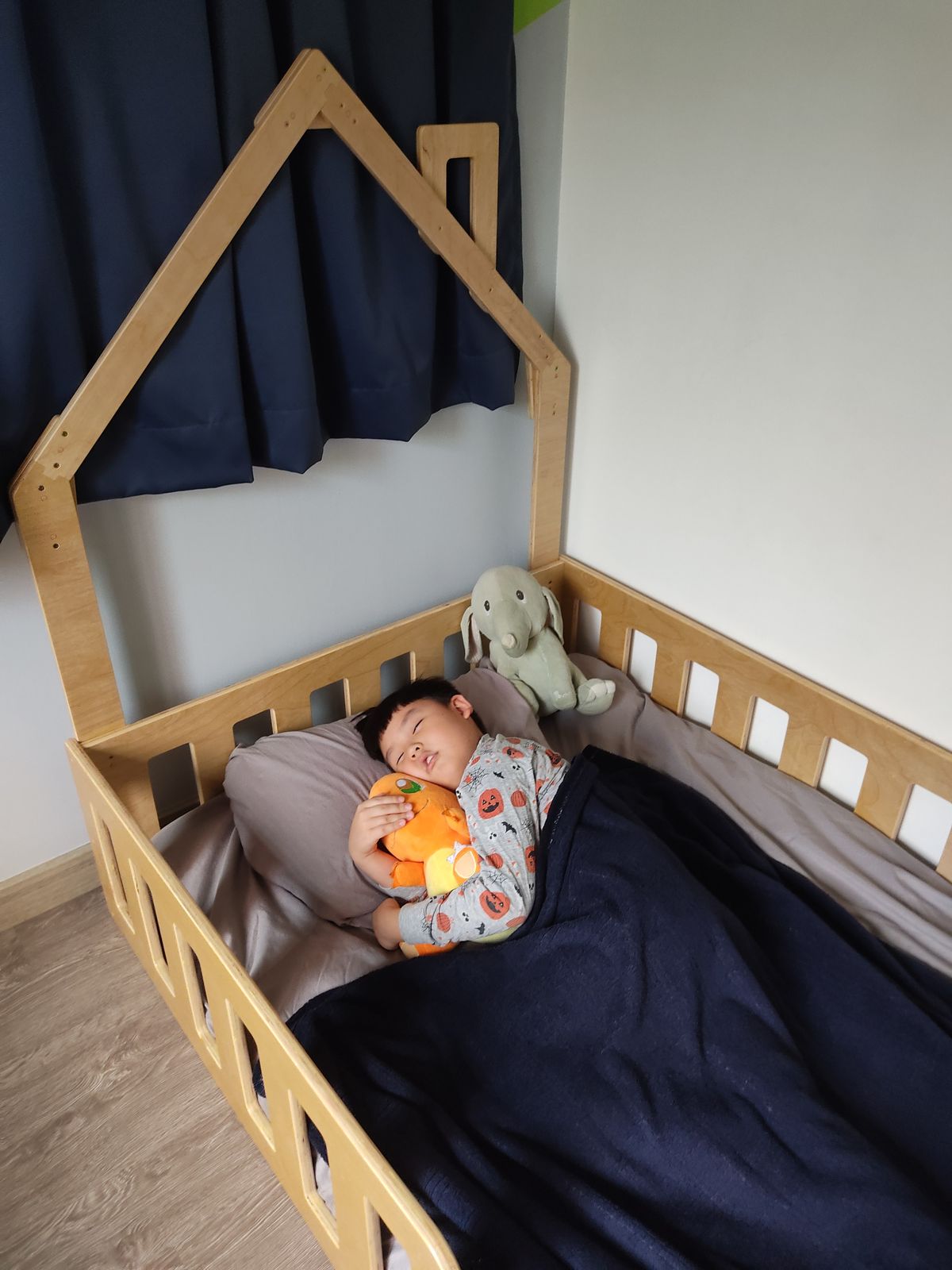
Moving from a cot to a first bed is an exciting milestone in a child's development. It marks an important step towards independence as children learn to manage their own bedtime routines and personal space.
However, the transition can also feel challenging for both parents and children. Some toddlers adjust immediately, while others need more time to feel comfortable with this big change.
If you are wondering when your child is ready, what type of bed to choose, or how to make the transition smoother, this guide will help you prepare for this important milestone.
When Is the Right Time to Move from a Cot to a Bed?
There is no single "correct" age for moving from a cot to a first bed. Every child develops differently, but many toddlers transition between 18 months and 3½ years old.
Some signs that your child may be ready include:
- They are attempting to climb out of their cot.
- They seem uncomfortable or cramped in their current sleeping space.
- They show interest in a "big kid" bed.
- They can follow simple instructions.
- They want to do things independently, such as getting in and out of bed themselves.
If your child is still sleeping comfortably in their cot and has not started climbing out, there is usually no need to rush the transition.
The goal is not simply to move your child out of the cot, but to create a sleeping environment where they feel safe and confident.
Signs Your Child Is Ready for Their First Bed
Apart from physical readiness, emotional readiness is also important.
Your child may be ready if they:
- Understand their bedtime routine.
- Can communicate their needs.
- Feel excited about having their own bed.
- Can safely get in and out of bed.
- Show interest in having their own space.
A positive attitude towards the change can make the transition much easier.
Many parents involve their children in small decisions, such as choosing bedsheets or arranging their new sleeping area. This helps children feel a sense of ownership and excitement.
Choosing the Right First Bed for Your Child
The first bed your child uses should provide comfort, safety and a sense of independence.
Many parents consider a low-profile bed or floor bed because it allows children to climb in and out independently while reducing the height of potential falls.
For example, our Tsuchi Floor Bed is designed with a low sleeping height, making it easier for young children to access their sleeping space independently.
When choosing your child's first bed, consider:
- A suitable height for your child's age.
- Rounded edges for added safety.
- Strong construction and quality materials.
- A comfortable sleeping size that allows room to grow.
- A timeless design that can be used for many years.
A well-designed bed can become a long-term piece of furniture rather than something that needs replacing after only a few years.
Our Kaiten Bed and Kumi Modular Bed are designed with longevity in mind, offering practical designs that can continue supporting children as they grow.
How to Make the Transition from Cot to Bed Easier
Children often find comfort in familiarity. Moving to a new bed does not mean everything else needs to change at the same time.
Here are some ways to make the transition smoother:
Keep the same bedtime routine
Continue with familiar activities such as reading a story, having a bath, or singing a bedtime song.
Use familiar items
Keep their favourite pillow, blanket or soft toy in their new bed to create a sense of security.
Introduce the bed before bedtime
Allow your child to spend time sitting, reading or playing quietly on the new bed during the day.
Let your child participate
Allowing children to choose small details, such as bedsheets or where their favourite toys go, can help them feel more comfortable with the change.
Create a Safe and Child-Friendly Bedroom
Once your child moves from a cot to a bed, they have more freedom to move around the room. This means the entire bedroom should be considered part of their safe environment.
Some important safety considerations include:
- Secure tall furniture to the wall.
- Keep electrical cords away from children.
- Remove small objects that may be choking hazards.
- Keep toys and books organised.
- Ensure the sleeping area is comfortable and clutter-free.
A thoughtfully designed bedroom can also encourage independence. Furniture placed at a child's level allows them to access their belongings and learn daily routines.
For more ideas on creating an independent and child-friendly space, read our article:
Montessori Room Setup Ideas: Furniture That Encourages Independence
Choosing Furniture That Grows With Your Child
A first bed is often one of the first major furniture purchases for a child's room. Many parents look for designs that can continue being useful beyond the toddler years.
Choosing furniture that grows with your child can offer better long-term value.
For example:
- A bed that remains suitable as your child grows.
- A study table that can adjust with their needs.
- Storage solutions that encourage children to organise their own belongings.
At Unicraft & Decor, our Bedroom Furnishing Collection includes thoughtfully designed wooden furniture to help create functional spaces for children as they grow.
What If My Child Keeps Getting Out of Bed?
It is very common for children to leave their bed repeatedly during the first few nights or weeks.
Instead of turning it into a battle, calmly guide your child back to bed and repeat the bedtime routine consistently.
Avoid introducing too many changes at once. For example, moving to a new home, changing childcare arrangements, and transitioning from a cot at the same time can feel overwhelming for young children.
With patience and consistency, most children gradually adjust to their new sleeping routine.
Common Mistakes Parents Make During the Transition
Some common mistakes include:
Moving too early
If your child is not ready, the transition may become more difficult than necessary.
Choosing a bed that is too high
A lower sleeping height can help younger children feel more confident.
Changing everything at once
Keeping familiar routines and belongings can make the adjustment easier.
Expecting immediate independence
Every child adapts differently. Some children need more time before they feel comfortable sleeping independently.
Frequently Asked Questions
What age should a child move from a cot to a bed?
Many children transition between 18 months and 3½ years old, but readiness depends more on your child's development and behaviour rather than age alone.
Is a floor bed suitable for toddlers?
A properly designed floor bed can be a suitable option for toddlers as it allows easier access and encourages independence. Parents should still ensure the bedroom environment is safe.
Should I buy a toddler bed or a bigger bed?
Some parents choose a smaller toddler bed, while others prefer a longer-lasting bed that their child can continue using for many years. The right choice depends on your space, budget and long-term needs.
How long does it take for a child to adjust to a new bed?
Some children adjust within a few days, while others may need several weeks. Maintaining a consistent routine usually helps the transition go more smoothly.
Moving from a cot to a first bed is an important milestone that represents a child's growing independence.
By choosing the right time, preparing a safe bedroom environment, and introducing the change gradually, parents can help their children feel confident and comfortable in their new sleeping space.
At Unicraft & Decor, we believe children's furniture should support independence while providing comfort, safety and thoughtful design. From first beds to complete children's bedroom setups, our Montessori-inspired wooden furniture is designed to grow alongside your child.


