

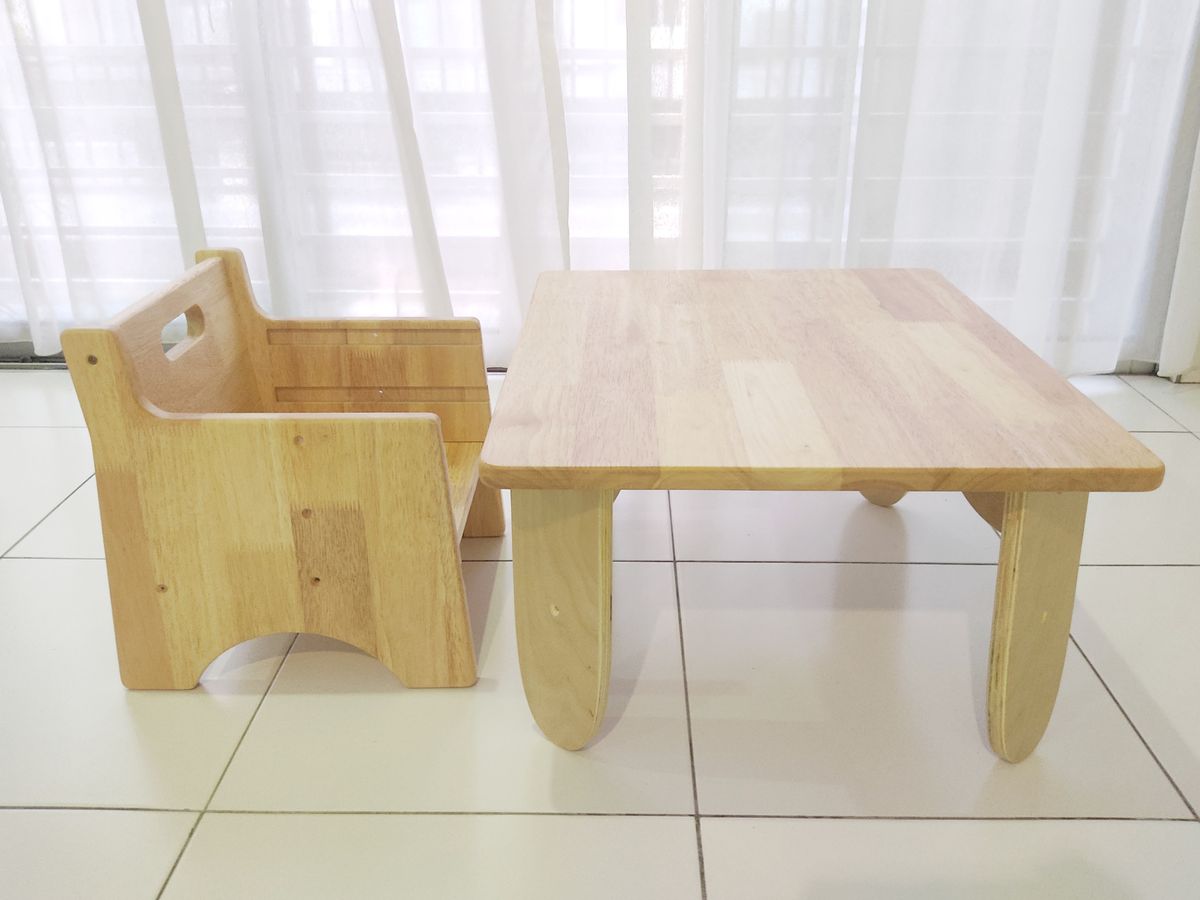
When setting up a space for your child, it is easy to feel like you need a long list of specially designed furniture. A bed, table, chair, bookshelf, storage shelf, learning tower… suddenly, the room is full.
But children don't actually need that much furniture.
The key is choosing a few useful pieces that fit their age, daily routines and the way they use their space. Good kids furniture should make everyday activities easier, while giving children a little more independence as they grow.
So, what furniture does a child actually need?
1. A Bed That Suits Their Age
A bed is usually the biggest piece of furniture in a child's room, so it is worth choosing one that works well for your child's current stage.
For younger children, a low or floor-style bed can make getting in and out easier and give them more freedom around bedtime. As children get older, they may prefer a more traditional-height bed with enough space for sleeping, reading and relaxing.
You don't necessarily need to replace a bed every few years. Some designs can adapt as your child grows, making them a practical choice for families who want furniture that lasts through different stages.
If you're looking for a flexible option, our flippable kids bed can be used at different heights as your child grows.
2. A Table and Chair for Everyday Activities
A child-sized table can become one of the most useful pieces of furniture in the home.
It gives your child a dedicated place for drawing, colouring, reading, puzzles, crafts, meals and eventually schoolwork. For younger children, a small table and chair set can be used for several activities throughout the day.
As they grow, a larger study desk may make more sense.
The important thing is to choose a height and size that feels comfortable for your child rather than simply buying the biggest desk available.
For families with younger children, a child-sized table and chair set can be a simple starting point. Older children may benefit from a more spacious study desk that can continue to be used for years.
3. Accessible Storage
Children need places to put their things — but storage doesn't always have to mean a large wardrobe or complicated shelving system.
A low, accessible shelf can be useful for toys, books, puzzles and everyday activities. When children can see and reach their own belongings, it is easier for them to choose what they want and put things away afterwards.
Open shelves can also make a room feel less cluttered because everything has a place.
A children's shelf can work well in a playroom, bedroom or learning corner.
4. A Bookshelf or Book Rack
If your child enjoys books, a bookshelf is another useful addition.
For younger children especially, front-facing book racks can make books easier to see and choose. Instead of seeing only the spines of books, children can see the covers and pick the one they want themselves.
It doesn't have to be a huge bookshelf either. A small book rack in a reading corner may be all you need.
The KOTO Montessori Rack, for example, is designed at a child-friendly height so little ones can browse and choose their own books.
5. Furniture That Supports Everyday Independence
Not every useful piece of kids furniture belongs in the bedroom.
A learning tower, for example, can be useful in the kitchen when your child wants to watch, help or participate in everyday activities. Instead of constantly asking to be carried or lifted up, they can have a safer way to reach a suitable working height with adult supervision.
A learning tower can therefore become part of everyday family life rather than simply another piece of furniture.
This is also where Montessori-inspired furniture can be useful. The idea isn't about filling your home with Montessori products. It is simply about creating an environment where children can do a little more for themselves.
You Don't Need Everything at Once
When choosing kids furniture, it can be tempting to buy everything at the same time.
But you don't have to.
Start with what your child actually needs now. A bed, a place to sit and work, and some accessible storage may be enough. As your child grows and their interests change, you can add furniture that makes sense for that stage.
The best children's furniture is not necessarily the furniture that fills the room. It is the furniture that gets used every day.
Whether you are furnishing a toddler's room, creating a small play corner or setting up a study space for an older child, focus on function, accessibility and how the furniture fits into your family's everyday life.
A few thoughtfully chosen pieces of kids furniture can go a long way.


