

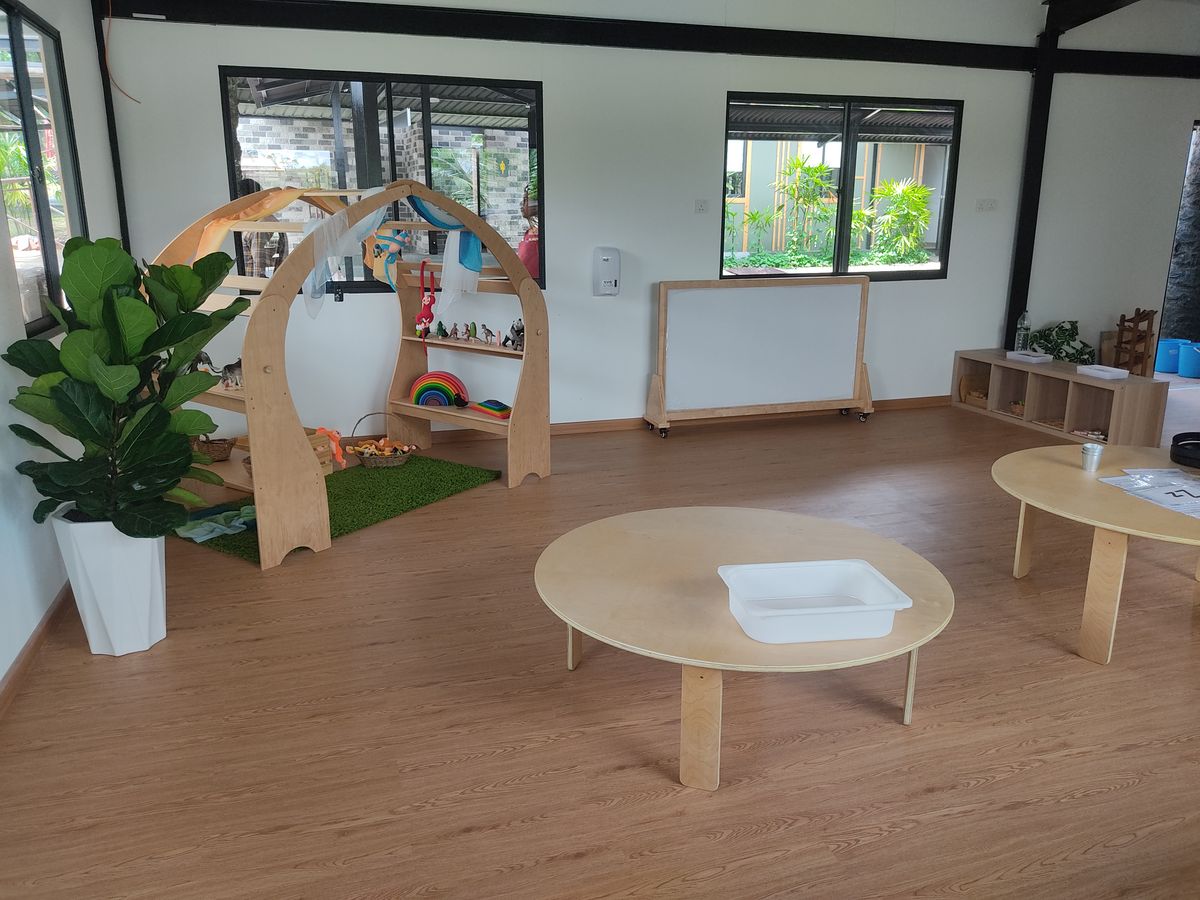
A child’s bedroom is more than just a place to sleep. It is a space where children spend time exploring, imagining, creating and developing confidence.
Many parents focus on decorating their child’s room with beautiful furniture and toys, but the way the space is designed can have a bigger impact on how children interact with it.
A thoughtfully planned bedroom gives children the freedom to make choices, access their belongings easily and enjoy independent play.
Whether you live in a landed home or a smaller apartment in Malaysia or Singapore, creating a child-friendly space does not require a large room. The key is choosing the right furniture and creating an environment that supports your child’s daily activities.
Create Space for Play, Not Just Storage
One common mistake parents make is filling a child's bedroom with too much furniture and storage.
While storage is important, children also need open space to move, build, imagine and explore. A less crowded room often encourages more creative play because children have the freedom to use the space in different ways.
Instead of adding more shelves and storage units, consider:
- Keeping enough open floor space for play
- Choosing furniture that serves a practical purpose
- Displaying only a selection of toys and rotating them regularly
A simple room with carefully chosen furniture can often encourage deeper engagement than a room filled with too many items.
For active children, movement-based play equipment such as an indoor climbing setup can also create opportunities for physical development at home.
Explore:
[Unicraft & Decor Indoor Playground Collection]
Organise Books and Toys So Children Can Make Their Own Choices
Children are more likely to engage in activities when they can see and access them easily.
Instead of keeping books and toys hidden away in closed cabinets, consider using child-friendly storage solutions where children can independently choose what they want to read or play with.
For younger children, front-facing book racks allow book covers to be clearly displayed, making reading materials more inviting.
For families with many books, a rotating bookshelf provides convenient access while saving floor space.
You can learn more about choosing the right bookshelf for your child in our guides:
- [How to Choose the Best Wooden Kids Bookshelf]
- [Benefits of Front-Facing Book Racks for Toddlers & Young Children]
- [Why a Rotating Bookshelf Makes Reading Easier for Kids]
Create Different Areas for Different Activities
A child's bedroom does not need to be large to have different activity areas.
Creating simple zones helps children understand how they can use their space.
Reading Corner
A comfortable reading area with accessible books encourages children to pick up a book independently.
A low bookshelf or front-facing book rack can make reading materials easier to discover.
Creative Corner
A child-sized table and chair provides a dedicated space for:
- Drawing
- Craft activities
- Writing
- Puzzles
Having a proper workspace also helps children develop good sitting habits from an early age.
Explore:
[Unicraft & Decor Weaning Table & Chair]
Movement Area
Children naturally need opportunities to climb, balance and move.
A small movement corner with suitable indoor play equipment can support gross motor development while allowing children to release energy indoors.
Choose Furniture That Supports Your Child’s Growth
Children grow quickly, but their furniture does not need to be replaced every few years.
When choosing children's furniture, consider pieces that can continue supporting your child through different stages.
For younger children:
- Low beds encourage easier transitions from sleeping independently
- Learning towers support participation in daily activities
- Child-sized tables encourage independent work and creativity
As children grow:
- Bookshelves become study storage
- Tables become homework spaces
- Timeless wooden furniture continues to match changing room styles
Choosing simple and functional furniture allows the room to adapt as your child grows.
Related articles:
- [From Crib to Floor: Why Toddlers and Young Kids Thrive with Floor Beds]
- [The Importance of a Weaning Table and Chair for Toddlers]
- [Why Kid-Sized Furniture Matters in Early Childhood Spaces]
Avoid Designing a Room Children Quickly Outgrow
Children’s interests change quickly. A room decorated around a specific theme may look attractive initially but can become unsuitable as children get older.
Instead, many families prefer timeless furniture designs that can grow with their child.
Wooden furniture with simple designs can easily adapt as children move from toddler years to primary school and beyond.
Consider choosing:
- Neutral colours
- Practical designs
- Quality materials
- Furniture that serves multiple purposes
A well-designed room should support your child today while remaining useful in the years ahead.
Safety Should Always Come First
A beautiful children's bedroom should also be a safe environment.
When choosing furniture, parents should look for:
- Rounded edges and corners
- Stable construction
- Child-friendly finishes
- Strong and suitable materials
- Furniture designed specifically for children
At Unicraft & Decor, our children's furniture is designed with family homes in mind, combining functionality, safety and thoughtful craftsmanship.
A Child-Friendly Bedroom Creates Opportunities to Grow
Independent play does not happen because children have more toys. It happens when children have an environment that allows them to explore, make choices and use their imagination.
A well-designed bedroom provides children with the confidence to pick a book, start an activity, tidy their belongings and enjoy their own space.
By choosing practical furniture and creating a balanced environment, parents can build a bedroom that supports learning, creativity and independence throughout childhood.


